
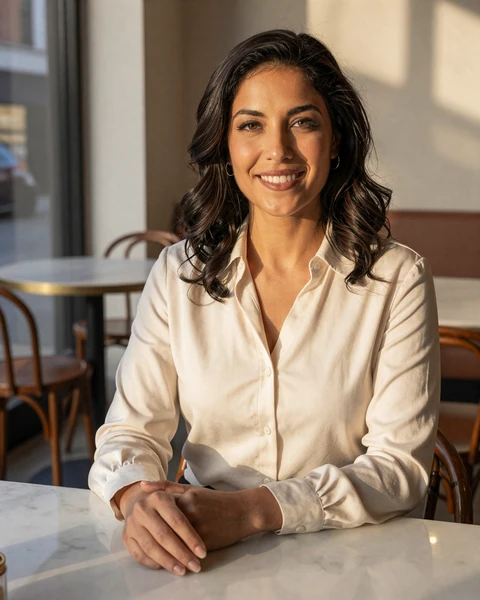
 Verified Pro
94%
Verified Pro
94%
Dr. Elena, 36
Active 12 minutes ago
“GI attending, mostly endoscopy days. Done with apps that don't take adults seriously. Looking for a man with his own thing and a sense of humor.”
Gastroenterology · Procedural precision
A gastroenterologist dating site for men who want a partner with a real specialty, a real schedule, and a real opinion. On MedMatch you’ll meet verified women GI doctors whose weeks split between endoscopy suites and continuity clinic — physicians who solve problems for a living and bring that same clarity home. Dating a doctor at this level means dating someone who reads people quickly and stays for the substance.
Identity & medical license verified · Profiles hand-reviewed · Serious intent only

Editor’s pick
A hand-picked three from this week’s gastroenterology cohort. Every profile reviewed, every license verified, every intent stated plainly. GI doctors tend to write their bios the way they write notes: short, specific, and free of filler.
Verified Pro
94%
Active 12 minutes ago
“GI attending, mostly endoscopy days. Done with apps that don't take adults seriously. Looking for a man with his own thing and a sense of humor.”
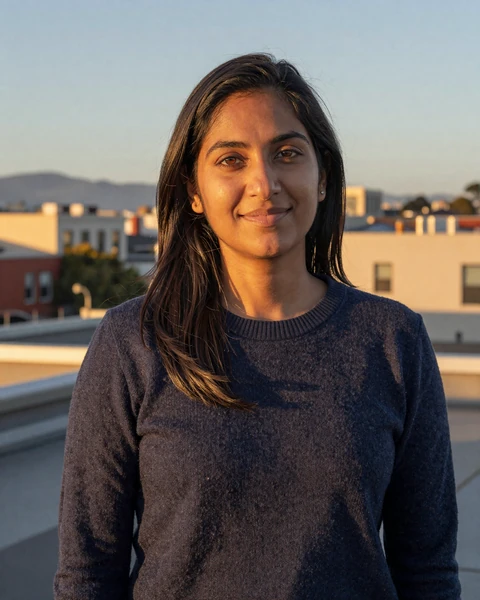 Verified Pro
92%
Verified Pro
92%
Active 47 minutes ago
“Hepatology fellowship-trained. Love a quiet Sunday, a long flight, and a man who can hold a conversation past the appetizer. Serious only.”
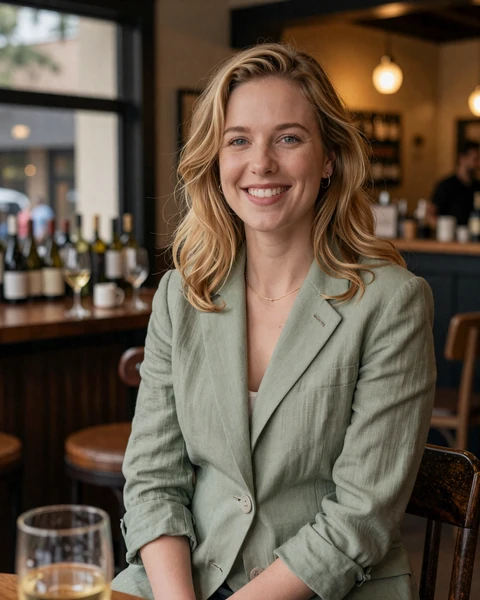 Verified Pro
91%
Verified Pro
91%
Active 3 hours ago
“Twelve years out. Built a practice and a life I like. Want a partner, not a project. Bonus points for someone who actually plans the date.”
A hybrid specialty
Gastroenterology is one of the few specialties that genuinely splits its week. Two or three days are spent in the endoscopy suite — colonoscopies, upper endoscopies, ERCP, advanced therapeutics — where the work is procedural, hands-on, and finished by mid-afternoon. The remaining days are clinic: diagnosing inflammatory bowel disease, managing reflux, mapping out years-long treatment plans, and having long, careful conversations with patients about lifestyle, medication, and risk.
What that means in practice is a physician who diagnoses and treats illness, advises on diet and prevention, orders and interprets diagnostic tests, prescribes medication, and maintains long-term medical histories — the full classical role of a doctor, concentrated on a system most people are quietly anxious about. The procedural side rewards precision and steadiness. The clinic side rewards patience and warmth. The combination produces a partner who can be sharp at work and human at home without it feeling like an act.
The path is roughly thirteen years: undergraduate, medical school, three years of internal medicine residency, then a three-year gastroenterology fellowship, with optional additional years for hepatology, advanced endoscopy, or IBD. By the time she’s an attending, she has performed thousands of procedures and carried thousands of long-arc clinic relationships. For men exploring a gastroenterologist dating site, the practical read is straightforward: this is a woman who has built a serious career on her own terms.
A gastroenterologist at a glance
Half the week she’s a precise proceduralist. The other half she’s the most patient listener her patients have. The right partner gets both versions. — MedMatch editorial team, 2026
The week, honestly
A gastroenterologist’s schedule is more predictable than ER or surgery and less predictable than dermatology. Most weeks alternate endoscopy blocks with clinic days, starting between 6 and 7 a.m. and finishing in the late afternoon. But GI also carries call — the on-call attending is the one called for a midnight upper GI bleed, an impacted food bolus, or an emergent ERCP. Call weeks include nights, weekends, and holidays, and an emergent case can disrupt a planned dinner without warning.
| Time block | Endoscopy day | Clinic day | Call week |
|---|---|---|---|
| 6:30 – 7:30 a.m. | Pre-procedure huddle | Inbox, results review | Same as the day type, plus pager |
| 7:30 a.m. – 1 p.m. | Back-to-back scopes | Clinic patients, 20–30 min each | Can be interrupted for emergent cases |
| 1 – 3 p.m. | Reports, follow-ups, lunch on the move | Complex consults, biopsies | Add-on procedures common |
| 3 – 6 p.m. | Inbox, patient calls, charting | Late patients, charting, calls | Hospital consults, evening procedures |
| Evenings & weekends | Usually free | Usually free | Pager-dependent, may not be free |
The honest read: most weeks she’s home by dinner and can plan a real evening. On call weeks, plans are tentative and pagers win. Across our 2025 member surveys, 81% of women gastroenterologists on MedMatch listed marriage or a long-term committed relationship as their explicit intent — they have the schedule to build one and they know it. For deeper context on medical schedules, read our piece on balancing career and relationships in medicine.
The practical translation. Treat her on-call weeks as data, not as rejection. A Tuesday 7 p.m. dinner during a clinic week is a better bet than a Saturday night during call. Partners who learn the rhythm get the relationship.
The compatibility case
Gastroenterologists, like most physicians who have done a fellowship, know what they want in a partner because they’ve already screened out what they don’t. The composite preference our editorial team hears most often is precise: a man with his own career, his own friends, his own opinions, and the patience not to make her schedule a recurring fight. Clinginess is a dealbreaker the moment someone can’t handle a 12-hour gap in replies during a procedure day.
She doesn’t want to be your social life. She wants someone with their own gravitational center — a job they take seriously, a workout routine that doesn’t depend on her, friends who exist before and after she does. The men who thrive with GI doctors are usually mid-career professionals who’ve already built the life they want and are choosing a partner to share it, not a partner to fill it.
The doctor doesn’t need a partner who matches her workday in drama. She needs someone whose mood is the same Tuesday and Saturday, who doesn’t turn a missed text into a referendum, and who can let her decompress without needing to be reassured. Patience and steadiness are valued above almost every other trait in member surveys.
The bios that earn replies on this platform read like real people, not personal-brand statements. A GI doctor reading profiles all day picks out authenticity instantly. A short paragraph about what your Saturday actually looks like will outperform a list of accomplishments every time. For more on what this audience actually responds to, see what men should know before dating a female doctor.
Verified gastroenterologists active this week
Practical, not generic
Five insights drawn from member surveys and success-story interviews with women in gastroenterology. The men who actually build relationships with this cohort do these consistently.
She didn’t finish thirteen years of training to apologize for being busy. The most attractive thing you can do early is treat her work as interesting and important rather than as an obstacle to your plans. Ask one good question about it, listen, and move on. The men who try to compete with the career lose. The men who admire it without performing the admiration win.
A Wednesday wine bar between her endoscopy day and a Thursday clinic carries more weight than a Saturday she half-canceled because of an inpatient consult. Two real hours of attention beat five distracted ones. Plan the date completely, pick somewhere quiet enough to actually talk, and don’t pad the evening with extras she didn’t ask for.
Direct communication is a love language for physicians. Tell her what you mean, ask what you want to know, and let her answer in twenty seconds between cases. Vague openers, mood texts, and decoded subtext are the fastest way to drain her interest. “Free Thursday at 7? Eleven Madison Park” will outperform a paragraph every time.
Have a Saturday that exists whether or not she’s on call. Have friends she didn’t pick. Have a hobby that doesn’t involve waiting for her. Independence is the trait women physicians prize most, and they can tell within two dates whether yours is real or staged. The performance of it is worse than not having it at all.
A bad clinic day or a complication on the table doesn’t mean she wants to debrief. Sometimes she wants thirty minutes of quiet, a meal she didn’t plan, and a partner who reads the room. The right move is rarely to pry. The right move is almost always to make the room comfortable and let her decide what to share. For more on this dynamic, see our companion read on why doctors struggle with dating.
A real match

The other apps treated my fellowship like a personality trait. On MedMatch I matched with a man who runs a small private equity shop and writes the way I write notes — short and useful. He suggested a Tuesday dinner at 7:30 because I’d mentioned my scope days are Wednesdays. That kind of attention to a detail is rare. We got married this April.
Frequently asked
You meet her where she actually is. Mainstream apps put her in a stack of 500 anonymous swipes she has no time to sort. A verified specialty platform like MedMatch puts her in front of men whose intent is already aligned with hers. Once matched, the men who get the date keep messages short and specific, propose a complete plan with a date and time, and treat her schedule as information rather than as an obstacle. Vague openers and indecision are the most common reasons threads die.
Studies and our own member data show women physicians most often marry other professionals with comparable education and ambition — lawyers, finance and tech executives, entrepreneurs, engineers, and fellow physicians. The common thread is not the industry but the temperament: emotionally stable, financially independent, secure enough not to compete with her career, and present enough to share a real life. Status alone is unattractive. Substance with composure is the consistent pattern.
Most weeks alternate procedure days and clinic days starting between 6 and 7 a.m. and finishing by late afternoon. Call weeks add nights, weekends, and emergent procedures like middle-of-the-night GI bleeds or food impactions. The week is more predictable than emergency medicine or general surgery and less predictable than dermatology. Weekday evenings are usually free outside of call, which makes building a serious relationship genuinely realistic.
For men who value substance, independence, and intellectual equality in a partner, yes. The schedule is real but not insurmountable, especially in gastroenterology where most evenings outside of call are free. The men who report the best outcomes are mid-career professionals with their own ambitious work, who treat her calendar as data rather than as a personal slight and who are looking for a real partner rather than someone to organize their social life.
Three differences. First, every profile is identity- and license-verified by hand — no anonymous accounts and no fake credentials. Second, intent is stated up front: members declare marriage, long-term relationship, or neither, so you are not negotiating that on the first date. Third, the platform is specialty-organized, so a verified gastroenterologist is one click away rather than buried under a thousand unrelated swipes. The result is fewer matches and a much higher conversion to real conversations.