
 Verified Pro
96%
Verified Pro
96%
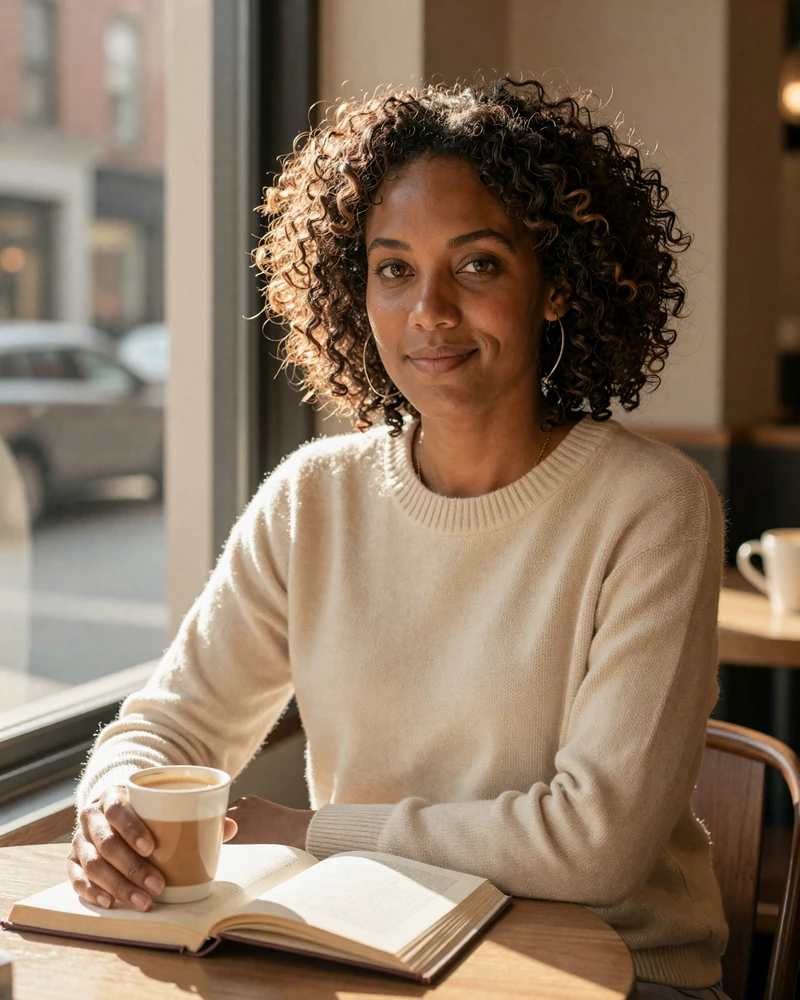
Dr. Naomi, 36
Active 12 minutes ago
“Breast oncology attending. My patients have taught me what matters. Looking for a man who reads, listens, and shows up.”
Oncology · Meaning & maturity
An oncologist is the physician who diagnoses and treats cancer — the doctor patients turn to during the most consequential year of their lives. On MedMatch you’ll meet verified women oncologists whose work has stripped away small talk and sharpened their sense of what actually matters in a partner. Steady, emotionally literate, intellectually grounded — and looking for the same.
Identity & medical license verified · Profiles hand-reviewed · Serious intent only
Editor’s pick
A curated three from this week’s oncology cohort. Every profile hand-reviewed, every medical license verified, every intent stated plainly. Women who spend their days walking patients through the hardest year of their lives rarely have patience for ambiguity in their own.
Verified Pro
96%
Active 12 minutes ago
“Breast oncology attending. My patients have taught me what matters. Looking for a man who reads, listens, and shows up.”
 Verified Pro
94%
Verified Pro
94%
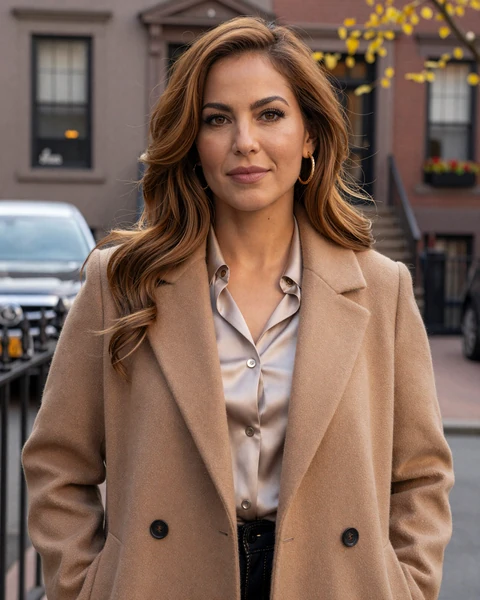
Active 1 hour ago
“Heme-onc at an academic center. Quiet weekends, long walks, real conversation. Done with men who keep their options open.”
 Verified Pro
93%
Verified Pro
93%
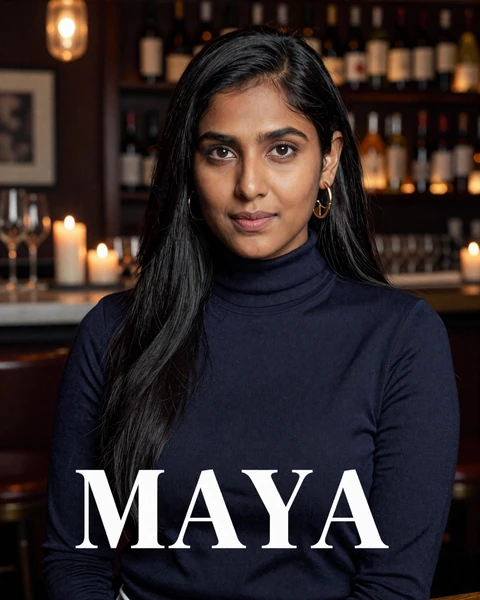
Active 3 hours ago
“Radiation oncology. I plan my life carefully — including who I let into it. Want a steady man with his own purpose.”
A profession defined by presence
An oncologist is the physician who confirms a cancer diagnosis, explains the stage, presents every viable treatment path, and then walks the patient through the months or years that follow. She is the one who tells a 38-year-old mother her chemo is working. She is also the one who tells a family it isn’t. The job rarely allows distance, and the women who choose it stop pretending otherwise within their first year of fellowship.
The training is among the longest in medicine — four years of undergrad, four of medical school, three years of internal medicine residency, then a two- to three-year hematology-oncology, medical oncology, or radiation oncology fellowship. By the time she’s an attending she has held more difficult conversations than most people will in a lifetime. That experience leaves a specific mark: a partner who is unhurried, who listens for what isn’t being said, and who has lost the appetite for performative anything.
What this means in dating terms is that an oncologist is not impressed by status displays and is genuinely impressed by integrity. Across our 2025 membership data, 82% of women oncologists on MedMatch stated marriage or a long-term committed relationship as their explicit intent — the highest share of any specialty on the platform.
An oncologist at a glance
Oncology strips away small talk. What’s left is a partner who notices everything that actually matters. — MedMatch editorial team, 2026
The compatibility case
Medicine creates emotional weight, and oncology concentrates it. Continuous exposure to serious illness, life-and-death decisions, and grief produces what clinicians call compassion fatigue — the slow erosion that comes from caring intensely, every day, about people whose outcomes she cannot fully control. That sounds like a warning. In a partner, it’s actually a gift. The women who stay in oncology long-term have done the interior work necessary to keep doing the job, and that work transfers directly into how they show up in a relationship.
An oncologist has had to name hard feelings for other people for years. She has watched families argue, withdraw, deflect, and collapse around the same news, and she has developed an unusually clear vocabulary for what each of those looks like. In a relationship that translates to a partner who can identify what she’s actually feeling, who doesn’t demand you guess, and who can hear what you’re feeling without making it her project. For men who’ve felt emotionally illiterate around past partners, dating an oncologist often feels like being read clearly for the first time.
The everyday consequence of oncology work is a hard ceiling on tolerance for pretense. She has spent the morning helping a patient revise her bucket list. She is not going to spend the evening listening to a man inflate his car or his title. Authenticity isn’t a preference for her — it’s the only register she still has time for.
After a heavy clinic day she may need silence, a slow dinner, and a partner who doesn’t ask her to debrief. Other days she’ll want to laugh hard at something completely trivial because the alternative is sitting with what she carried home. Both are her, and recognizing which she needs without asking is what makes you a real partner rather than a date. Our piece on balancing career and relationships in medicine goes deeper on the decompression question.
What she’s actually looking for
The most consistent feedback we receive from successful matches in oncology comes down to one word: significance. Women in this specialty bring rare gifts to a relationship — devotion, problem-solving sharpened by years of complex cases, genuine compassion that survives the workday, and the financial stability that follows attending years. What they want in return is not extravagance. It’s a partner whose time, when they have it, is spent on something that matters.
Because her workdays are emotionally maximal, her free hours are precious by definition. When an oncologist has an evening, she invests it intensely — the limited time creates a deeper kind of presence than partners on conventional schedules often experience. A two-hour dinner with her is rarely a two-hour dinner; it’s the only window she has that week, and she shows up for it accordingly.
What this means for you. Significance for an oncologist is built in small, recurring acts: protecting her quiet hours, planning the trip she keeps mentioning, knowing which patient just finished treatment without her having to remind you. For adjacent emotionally weighted specialties, consider our psychiatrist dating site or OB/GYN dating site.
Verified Oncologists Active This Week
Practical, not generic
Oncologists carry emotional weight most partners never see. These five insights come from member surveys and what the editorial team consistently sees work with women in oncology.
When she shares a hard day, the worst response is a solution. She didn’t come home for advice on a clinical decision she already made. She came home to be a person with someone who knows her. “That sounds heavy. I’m glad you’re home” lands a hundred times better than any reframe. The space you hold matters more than the words you fill it with.
Practical help during stressful weeks is one of the most consistently underrated forms of intimacy with a physician. Groceries handled, dinner already started, the dry cleaning picked up, the dog walked — these are not chores when she’s post-clinic, they’re love expressed in the only language her schedule can hear that day. The man who quietly absorbs household friction is the man she introduces to her sister.
Workout, walk, meditation, a saved Sunday for the painting class she hasn’t been to in two months — she knows what helps her. What she needs from you is protection of the time, not a curriculum. “I’ll handle dinner so you can go to yoga” is support. “You should really try meditation” is a project. Read the difference.
Compassion fatigue is real, and on some evenings she will be quieter, more tired, less available than her usual self. This is not about you. It is the cost of caring for people who are very sick, and it passes. Patience — the unshowy, unrewarded kind — is what builds the trust that lets her come home all the way the next night.
If you see signs of sustained burnout — persistent cynicism, sleep collapse, withdrawal from things she used to love — gently encourage professional support. Therapists who work with physicians exist. You are her partner, not her clinician, and the most loving thing you can sometimes do is name what you’re seeing and back her in getting help. For more on this dynamic, read what men should know before dating a female doctor.
A real match
I’d been on the mainstream apps for two years and stopped opening them. The conversations never went anywhere because no one wanted to know what I actually did all day. Daniel’s first message on MedMatch said he’d been thinking about a documentary on cancer survivorship he’d watched the week before, and asked one good question. We met for coffee three days later. Sixteen months in, he is the steadiest person I’ve ever known. He doesn’t flinch when I tell him about my hard days, and he never tries to fix them.
Frequently asked
The most reliable path is a specialty-verified platform like MedMatch, where women oncologists state their intent explicitly and skip the small-talk phase that mainstream apps run on. From there, the opener that converts is short, specific, and grown-up: reference one real detail from her profile, propose a concrete plan with time and place, and avoid stacked questions. Oncologists are emotionally literate and unimpressed by performance — authenticity is the only register that works.
Survey data and our own membership patterns suggest women oncologists most often partner with other physicians, attorneys, founders, finance professionals, and senior operators — men with their own demanding careers and the emotional steadiness to absorb the weight she carries home. The common thread isn’t the profession; it’s self-possession. A partner with his own purpose, his own financial footing, and the patience to sit with hard days without trying to fix them is the consistent winner.
Practical help and patient presence outperform advice every time. Take logistics off her plate — groceries, dinner, errands — without being asked or congratulated for it. Listen when she shares a hard case, and resist the urge to reframe or solve. Encourage but never prescribe self-care. And recognize the difference between a tough week and sustained burnout; if you’re seeing the latter, gently support her in seeking professional help.
No — in fact, oncologists who have built sustainable practices tend to be among the most emotionally regulated partners on the platform. The work demands continuous interior maintenance, and women who stay in the specialty have usually developed strong boundaries, a clear vocabulary for their feelings, and an intentional approach to off-hours. The relationship that thrives is one where both partners honor decompression time and protect the evenings she has.
MedMatch verifies every member’s identity and healthcare credential before activation, so the woman you message is the woman in the photos and actually practices what her profile says. Profiles are hand-reviewed, the population is filtered for serious intent rather than casual encounters, and the platform is built around the schedule realities of physician life. The result is a smaller pool than Hinge or Bumble, and a much higher signal-to-noise ratio.